
For restaurant owners in Denver’s highly competitive dining scene, the quality of your exterior and interior signage is a direct reflection of the quality of your food. From historic Larimer Square to the booming culinary hubs in RiNo and LoHi, a restaurant’s signage is its most powerful, permanent marketing asset.
Here is the bottom line: your restaurant sign is often the only thing separating a fully booked Friday night from an empty dining room. A professionally fabricated, illuminated exterior sign captures foot traffic and impulse diners, while cohesive interior branding—such as custom menu boards, wall graphics, and ADA-compliant restroom signs—elevates the overall dining experience. Because the restaurant industry operates on tight margins, investing in durable, high-visibility signage that complies with Denver’s strict zoning laws is essential for long-term profitability. This guide explores the most effective signage solutions for Denver restaurants, the ROI of LED illumination, and how to navigate local permitting.
The Financial Impact of High-Visibility Restaurant Signs
The restaurant industry relies heavily on local, impulse-driven consumer behavior. According to the International Sign Association, over 50% of a retail business’s sales come from signage, and for restaurants, this number is often higher.
What this means for your restaurant is that an unlit, outdated, or hard-to-read sign is actively costing you revenue every single day. When a potential customer is driving down Colfax Avenue or walking through Cherry Creek looking for a place to eat, they make snap judgments based on visual appeal. A custom channel letter sign with vibrant LED halo illumination signals that your establishment is modern, clean, and open for business. Conversely, a restaurant with a faded awning or burnt-out neon tubes subconsciously communicates neglect, driving diners directly to your competitors.
Exterior Signage: Capturing the Denver Diner
Your exterior sign is your restaurant’s handshake with the neighborhood. Choosing the right format depends heavily on your location, architecture, and local zoning codes.
Illuminated Channel Letters: This is the gold standard for restaurant storefronts. Each letter is individually fabricated from aluminum and acrylic, then internally illuminated with LEDs. For a high-end, sophisticated look, many Denver steakhouses and fine dining establishments opt for reverse-lit (halo-lit) channel letters, which cast a warm, inviting glow against the building fascia.
Projecting Blade Signs: If your restaurant is located in a dense, walkable neighborhood like the Highlands or downtown Denver, a projecting blade sign is critical. These double-sided signs extend perpendicular to the building, capturing the attention of pedestrians walking down the sidewalk who cannot see your flat storefront sign.
A-Frame Sidewalk Signs: An A-frame sign is a highly effective, low-cost tool for capturing foot traffic. Placed directly on the sidewalk outside your entrance, these signs are perfect for advertising daily lunch specials, happy hour deals, or simply letting passersby know that your patio is open.
Interior Signage: Elevating the Guest Experience
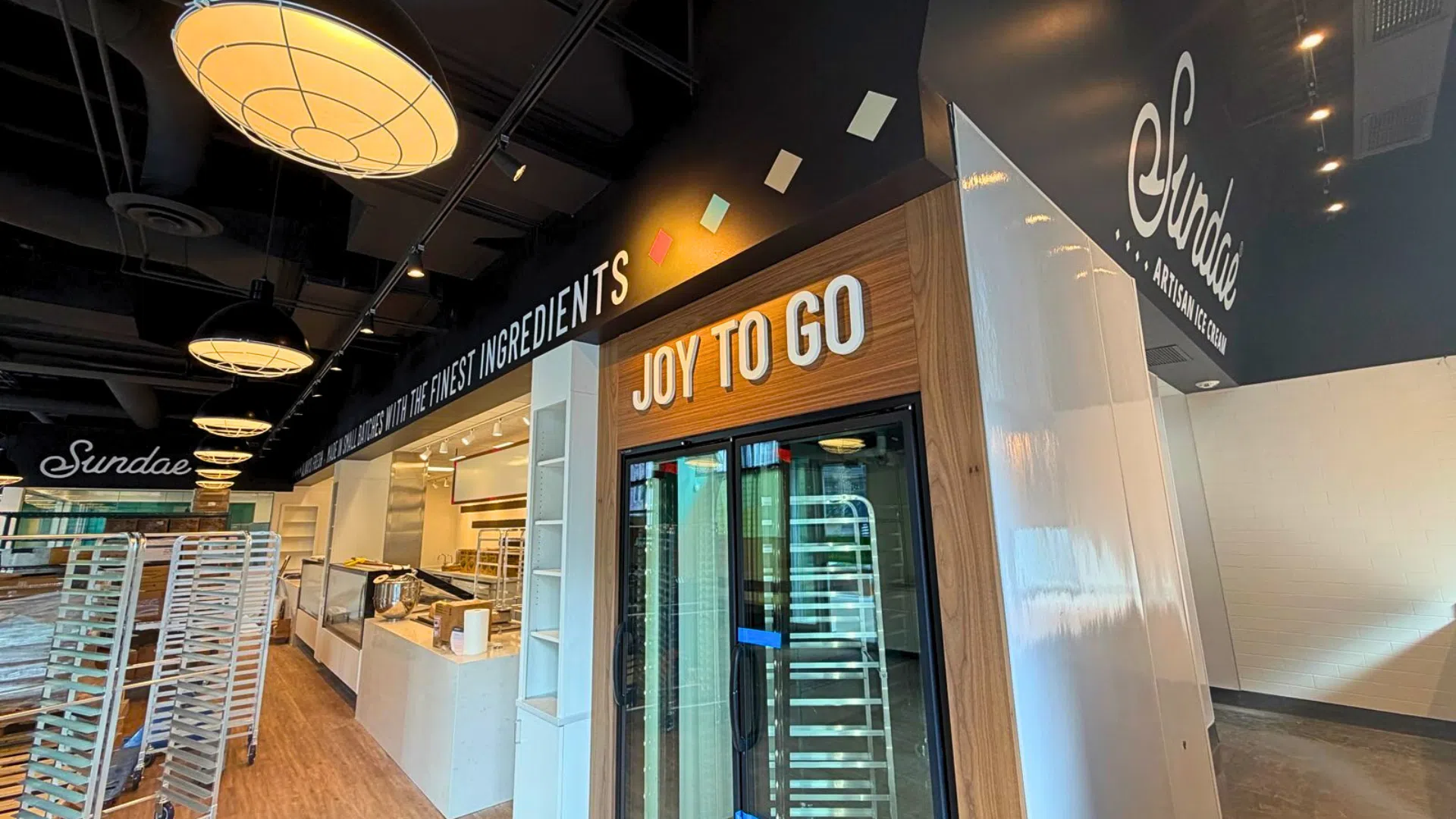
Once a customer walks through your doors, the signage must transition from marketing to experience management. Cohesive interior signage reinforces your brand identity and helps operations run smoothly.
Custom Menu Boards: For fast-casual and quick-service restaurants (QSRs), the menu board is the most important interior sign. Modern restaurants are moving away from cheap printed posters and opting for high-resolution digital displays or custom-fabricated magnetic letter boards that match the interior decor. A well-designed menu board speeds up ordering times and increases the average ticket size by highlighting high-margin items.
Environmental Wall Graphics: Blank walls are a missed branding opportunity. Custom vinyl wall graphics can transform a sterile dining room into an immersive environment. Whether it is a full-wall mural depicting the history of your cuisine, a subtle frosted vinyl application on glass partitions, or a bold typographic installation of your restaurant’s core values, environmental graphics create the “Instagrammable” moments that drive organic social media marketing.
ADA and Wayfinding Signs: Compliance is non-negotiable. Denver building codes require strict adherence to the Americans with Disabilities Act (ADA) for all permanent room signs, including restrooms, exits, and maximum occupancy limits. Working with a professional sign company ensures that your ADA signs feature the correct tactile lettering, Braille translation, and high-contrast colors, all while matching your restaurant’s unique aesthetic.
Navigating Denver Sign Permitting for Restaurants
The City and County of Denver enforces complex zoning regulations regarding the size, placement, and illumination of commercial signs.
Before any exterior sign can be installed, it must go through a rigorous permitting process. The city regulates the total square footage of your signage based on the linear frontage of your building. Additionally, historic districts like LoDo (Lower Downtown) have strict design review boards that must approve the materials and aesthetics of your sign to ensure it fits the neighborhood’s character. Partnering with a local, full-service sign company like Mtn High Sign + Design is crucial, as we handle the entire permitting process, ensuring your sign is fully compliant and legally installed.
Frequently Asked Questions About Restaurant Signs
How much does a custom restaurant sign cost?
The cost varies significantly based on size, materials, and illumination. A simple non-illuminated dimensional letter sign may start around $2,000, while a large, custom-fabricated LED channel letter set for a major storefront typically ranges from $5,000 to $10,000 or more.
Can you match my restaurant’s exact brand colors?
Yes. We use advanced color-matching technology and premium automotive-grade paints to ensure your exterior and interior signs perfectly match your brand guidelines and Pantone colors.
Do you handle the electrical work for illuminated signs?
Yes. Our installation teams are fully licensed and equipped to handle the final electrical connections for all illuminated signage, ensuring safe and code-compliant operation.
How long does it take to get a new restaurant sign?
From the initial design approval to final installation, a custom illuminated exterior sign typically takes 6 to 8 weeks, largely depending on the speed of the city’s permit approval process.
Make Your Restaurant a Local Landmark
In the restaurant business, you only get one chance to make a first impression. Ensure your signage works as hard as your kitchen staff.