
What signs do restaurants in Littleton, CO need most?
Most restaurants need a visible exterior sign, branded window graphics, clear interior wayfinding, ADA-compliant restroom and accessibility signs, and menu or promotional displays. The right mix depends on your location, landlord rules, city permitting, lighting needs, and how customers approach your storefront.
Restaurant signage works best when every sign has a job
For restaurants and bars in Littleton, signage is not decoration. It is a sales tool, a navigation system, a compliance requirement, and a brand signal working at the same time.
A guest may see your restaurant from a moving car on Wadsworth, Santa Fe, Bowles, Broadway, or a busy neighborhood retail center. In that moment, your sign has to answer three questions quickly: What is this place? Is it open and welcoming? Can I find the entrance or parking?
That is why effective restaurant signage usually includes a coordinated system:
1. Primary exterior identification for visibility from the street or parking lot.
2. Window graphics for hours, specials, privacy, and brand personality.
3. Interior signs for menus, restrooms, pickup areas, exits, and guest flow.
4. ADA signage for required accessibility and room identification.
5. Temporary or changeable promotions for seasonal offers, events, catering, and happy hour.
Mtn High Signs + Design helps Denver-area businesses build these systems from concept through installation, including custom design, fabrication, permitting support, and long-term maintenance.
Exterior restaurant signs must balance visibility, code, and brand
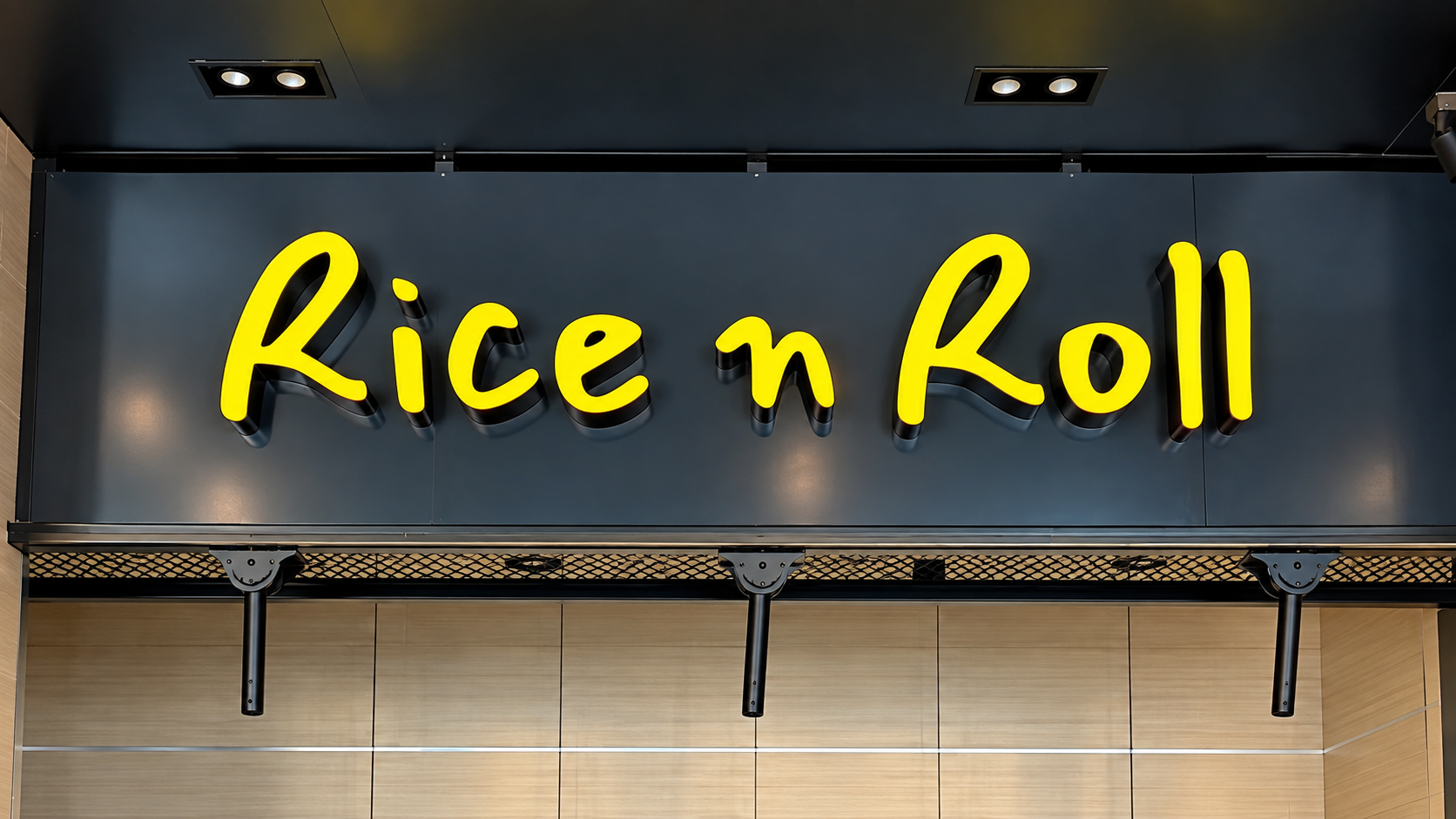
The most important sign for many restaurants is the one customers see before they decide to park. Depending on your building and location, that may be channel letters, a cabinet sign, dimensional letters, a panel sign, an illuminated sign, or a monument sign near the road.
If your restaurant is in a Littleton shopping center, the property owner may have a sign criteria package that controls size, color, lighting, materials, and mounting method. If you are in a standalone building, the city’s sign code and zoning rules may drive what is allowed.
Common exterior restaurant sign options include:
• Channel letter signs for strong nighttime visibility and polished storefront branding.
• Dimensional letters for a clean, upscale look on masonry, stucco, or panel façades.
• Illuminated cabinet signs for high-impact visibility in retail centers.
• Monument signs for restaurants set back from the road or located in multi-tenant developments.
• Blade or projecting signs where pedestrian visibility matters.
• Banners for business promotions when temporary messaging is allowed.
Restaurants with low street visibility should also consider monument signs or directional signs if the site layout makes the entrance hard to find.
Ready to evaluate your restaurant sign options? Start with Mtn High’s custom signs for business service to plan a coordinated exterior and interior signage package for your Littleton restaurant, bar, café, brewery, or quick-service concept.
Restaurant sign costs depend on materials, lighting, size, and installation complexity
Restaurant signage pricing varies because every storefront has different electrical access, wall conditions, visibility needs, landlord requirements, and permit considerations. A simple vinyl window graphic may be completed quickly, while an illuminated exterior sign requires design, fabrication, electrical coordination, permitting, and professional installation.
| Sign Type | Typical Use | Budget Guidance | Typical Timeline | Permit Usually Required? |
| Window graphics | Hours, logo, specials, privacy, pickup messaging | Custom quote | 3–10 business days | Usually no, unless size/coverage triggers local rules |
| Interior menu boards | Menu displays, ordering areas, service counters | Custom quote | 1–3 weeks | Usually no |
| ADA restroom and room signs | Compliance, accessibility, wayfinding | Custom quote | 2-4 weeks | Usually no, but code compliance matters |
| Dimensional letters | Exterior or interior brand identification | Custom quote | 2–4 weeks | Often yes for exterior |
| Illuminated storefront signs | Night visibility, retail center identification | Custom quote | 2–3 weeks | Yes in most cases |
| Monument signs | Roadside visibility, multi-tenant properties | Custom quote | 3–4 weeks | Yes in most cases |
These ranges are planning estimates, not fixed quotes. Final pricing depends on engineering, access equipment, substrate, illumination, fabrication method, installation height, and whether electrical work is required.
Interior signs improve ordering, flow, and guest confidence
Once guests enter, signs should reduce confusion. A restaurant with strong interior signage feels more professional because customers know where to order, wait, pick up food, find restrooms, locate private rooms, and understand specials without asking staff every few minutes.
Interior restaurant signs often include:
• Menu boards and changeable menu displays.
• Pickup, delivery, and online order signs.
• Restroom and employee-only signs.
• Directional signs for patios, bars, private dining, or event rooms.
• Wall graphics and brand murals.
• Safety, exit, and accessibility signage.
• Lobby signs for business identity in shared buildings or food halls.
For restaurants that want polished brand impact, interior [sign designs](https://mtnhighsign.com/services/) should use consistent typography, color, materials, and placement. A rustic brewery, a fast-casual taco shop, and a white-tablecloth restaurant should not feel like they ordered from the same generic catalog.
ADA signage is a small detail with serious consequences
Restaurants open to the public need proper accessibility signage in the right locations. ADA signs are not just “restroom signs.” They may apply to permanent rooms, accessible entrances, exits, parking routes, restrooms, and certain directional needs.
Good ADA signage should be:
• Mounted at the correct height and location.
• Built with tactile lettering and Grade 2 Braille where required.
• High contrast for readability.
• Durable enough for restaurant cleaning, traffic, and moisture.
• Consistent with the broader restaurant brand where code allows.
Cutting corners on ADA signs can create inspection delays, guest frustration, or compliance risk. The best approach is to plan ADA signage alongside the rest of the interior package rather than treating it as an afterthought.
Window graphics turn unused glass into useful marketing space
Littleton restaurants often have valuable storefront glass that is underused. Window graphics can communicate your hours, cuisine type, happy hour, catering, online ordering, seasonal promotions, hiring needs, and private event availability.
The strongest restaurant window graphics are easy to read from a distance and do not overload the glass with small text. For most storefronts, the hierarchy should be:
1. Brand or cuisine cue.
2. Primary offer or reason to enter.
3. Hours or ordering information.
4. QR code only if it serves a clear purpose.
Frosted vinyl can also add privacy for dining rooms, bars, offices, or restrooms without blocking all natural light.
A coordinated restaurant sign process prevents delays
Restaurant openings and remodels already have enough moving parts. Signage should be handled early so it does not become the reason your storefront looks unfinished on opening day.
A practical sign process looks like this:
1. Site review: Confirm building type, visibility challenges, landlord rules, wall conditions, and electrical access.
2. Sign strategy: Decide which signs are required for visibility, compliance, operations, and branding.
3. Design development: Create sign designs that match the restaurant concept and fit local requirements.
4. Permit and approval support: Coordinate landlord approval and applicable Littleton-area permitting.
5. Fabrication: Produce signs using materials appropriate for Colorado sun, snow, wind, and daily restaurant traffic.
6. Installation: Mount signs safely, cleanly, and in the right locations.
7. Maintenance: Repair lighting, refresh graphics, and update promotional or seasonal signage as needed.
Mtn High Signs + Design team insight:
“Restaurant signs have to do more than look good on a proof. They need to be readable from the real approach angle, durable in Colorado weather, and aligned with how guests actually move through the space.”
Local sign expertise matters more than ordering from a national template
National sign franchises and online-only sign sellers can produce basic graphics, but restaurants often need more than production. They need someone who understands local site conditions, installation realities, landlord requirements, exterior visibility, ADA compliance, and how signs work together as a customer experience.
For Littleton restaurants, a local full-service shop can help answer practical questions early:
• Will drivers see the sign before they pass the entrance?
• Does the sign need illumination for dinner traffic?
• Will the landlord allow the preferred colors and materials?
• Is the wall suitable for the proposed mounting method?
• Do the interior signs meet accessibility expectations?
• Can window graphics promote specials without making the storefront feel cluttered?
That local planning is what separates custom signs for a business from generic sign products.
FAQ
What types of signs do restaurants in Littleton, CO usually need?
Most restaurants need an exterior storefront sign, window graphics, ADA restroom signs, interior directional signs, menu or ordering signs, and promotional signage. Bars, breweries, cafés, and quick-service restaurants may also need patio signs, pickup signs, illuminated signs, or monument sign panels depending on the property.
Do restaurant signs in Littleton require permits?
Exterior restaurant signs often require permits, especially illuminated signs, wall signs, projecting signs, and monument signs. Interior signs and basic window graphics often do not, but rules can vary by property, sign size, zoning, and landlord requirements. A professional sign shop can help identify what approvals are needed before fabrication.
How much do custom restaurant signs cost?
Restaurant sign costs vary by size, materials, illumination, structure, permitting, electrical work, access, and installation conditions. Mtn High can provide a project-specific quote after reviewing the location, landlord criteria, and complete sign package.
How long does it take to make and install restaurant signs?
Simple graphics may take a few business days after approval. Interior sign packages often take one to three weeks. Illuminated exterior signs and monument signs commonly take four to ten weeks because they may involve design revisions, landlord approval, permitting, fabrication, electrical coordination, and installation scheduling.
What makes a restaurant sign effective?
An effective restaurant sign is readable, visible from the customer’s approach, consistent with the brand, compliant with local rules, durable for Colorado conditions, and installed in the right place. The best signs help people notice the restaurant, understand the concept, enter confidently, and move through the space easily.