
What should Denver businesses know before scheduling sign installation?
Successful sign installation in Denver starts before fabrication. You need accurate site photos, dimensions, access details, material decisions, permit expectations, and a clear install plan. The more information you provide upfront, the faster your sign company can price, produce, permit, and install your sign correctly.
A complete sign installation plan prevents delays, surprise costs, and rework
A business sign is not just a product you order. It is a site-specific installation project. The sign has to fit the building, meet visibility goals, comply with local requirements, and be installed safely on the correct surface.
That is why the best starting point is not “I need a 10-foot sign.” A better starting point is:
1. Where will the sign go?
2. What type of wall, ground, window, or structure will support it?
3. How large is the available space?
4. Can installers access the location with ladders, lifts, or bucket trucks?
5. Is the property in Denver, Littleton, Lakewood, Aurora, Broomfield, or another Front Range jurisdiction?
6. Is landlord, property manager, or city approval required?
If you are comparing sign installation Denver options, look for a company that can think through the entire project, not just print or fabricate the sign. Mtn High Signs + Design supports Denver-area businesses with custom sign design, fabrication, permitting guidance, installation, maintenance, vehicle graphics, illuminated signs, monument signs, wayfinding, and industry-specific signage.
For business owners still choosing the right sign type, start with custom signs for business to align your design, material, and installation needs before production begins.
Accurate pricing starts with the right site information
Sign installation pricing depends on more than the size of the sign. Two signs with the same dimensions can have very different installation requirements depending on the building surface, mounting height, electrical needs, access, and permitting.
Operator Insight from the Mtn High Signs + Design team:
“We have to have information to get you pricing. Sharing pictures of where the sign is going, how we can access the site, dimensions, and other details will help us get the most accurate estimate. Just telling us ‘I need a 10-foot sign on my building’ isn’t something we can work with. The more details you can share, the faster and easier the process will be for everyone.”
Before requesting an estimate, gather:
• Straight-on photos of the sign location
• Wide photos showing the full building frontage
• Approximate width and height of the available sign area
• Wall material, such as brick, stucco, metal panel, glass, concrete, or EIFS
• Mounting height from the ground
• Notes about parking, alley access, loading areas, or restricted access
• Existing sign photos if a removal is needed
• Landlord or property management sign criteria, if available
• Electrical information for illuminated signs
This information helps determine installation labor, lift requirements, mounting hardware, permitting needs, and whether additional site review is recommended.
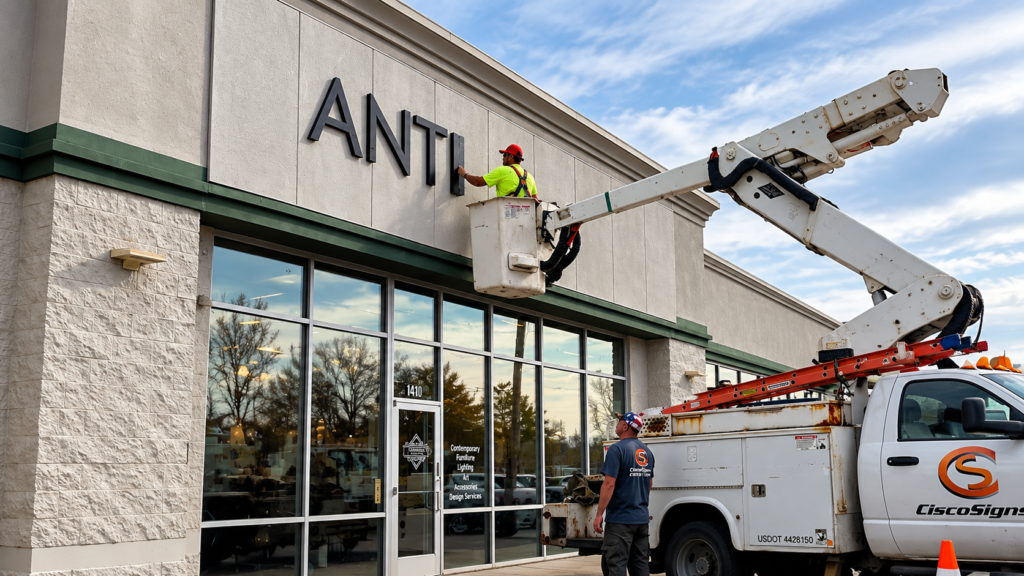
Denver sign projects follow a clear design-to-installation sequence
A smooth project usually follows this order:
1. Discovery and site information
You share photos, dimensions, goals, location, and access details.
2. Sign type and design direction
The sign company helps determine whether you need business outdoor signs, lobby signs for business, window graphics, banners for business, monument signs, ADA signage, vehicle graphics, or another format.
3. Design proof and approval
The design is refined for brand fit, visibility, scale, materials, and installation conditions.
4. Permit and property review
Some Denver-area signs need city permits, landlord approval, or compliance review before fabrication or installation.
5. Fabrication
Materials are cut, printed, painted, assembled, illuminated, routed, or finished based on the approved design.
6. Installation scheduling
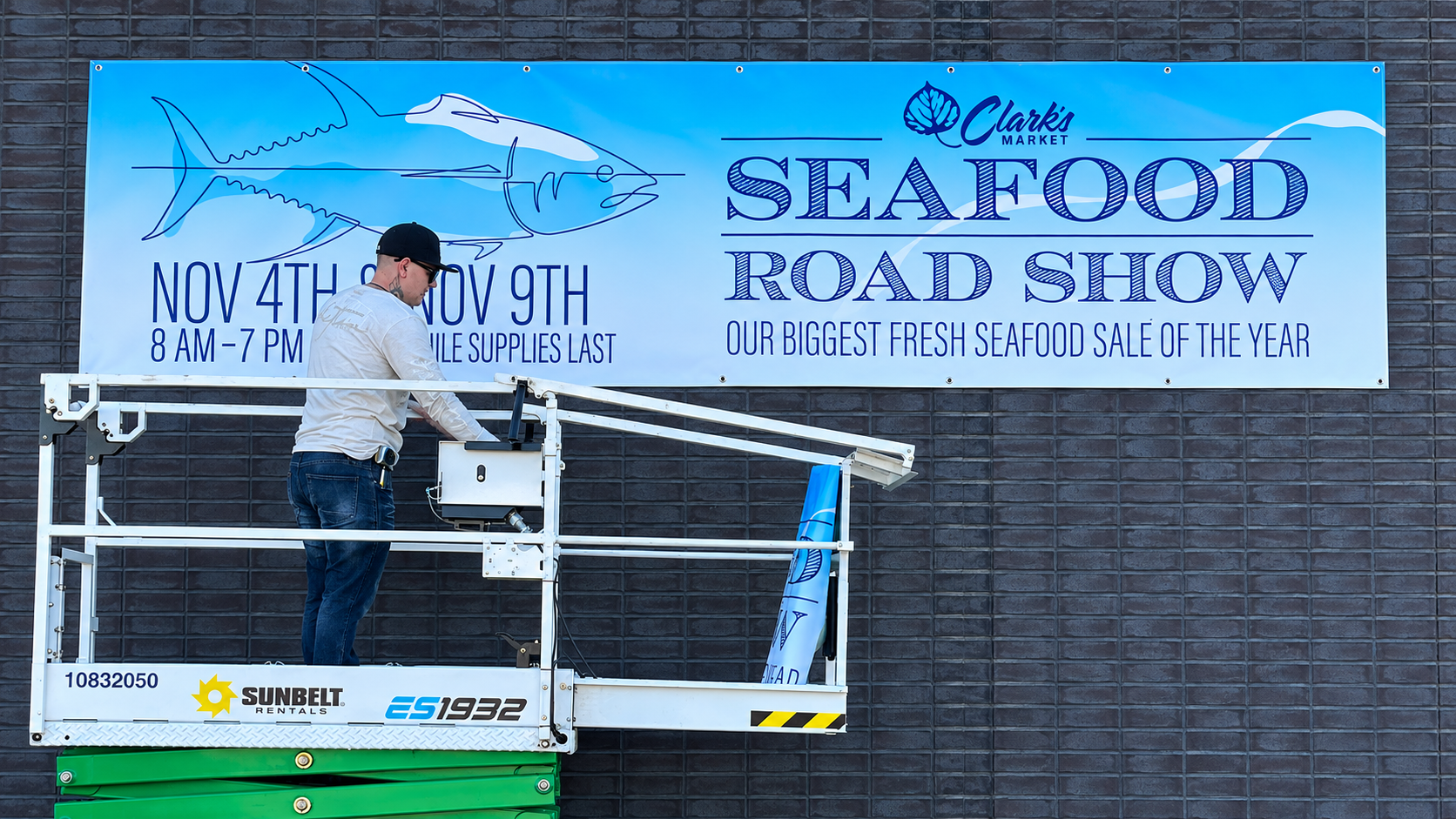
Installers coordinate timing, access, equipment, weather considerations, and any required removal of existing signage.
7. Final installation and inspection
The sign is mounted, leveled, secured, cleaned, photographed, and reviewed for final quality.
This process protects the business owner from ordering a sign that looks good in a proof but fails in the real world because of poor scale, blocked visibility, code restrictions, or difficult access.
Sign type, cost, timeline, and permit needs vary by project
The numbers below are realistic planning ranges for Denver-area commercial signage. Final pricing depends on size, materials, site conditions, illumination, engineering, removal needs, and access.
| Sign Type | Typical Cost Range | Typical Timeline | Permit Usually Needed? |
| Vinyl door or window graphics | $250–$1,500+ | 2-4 business days | Usually no, unless large or exterior-regulated |
| Banners for business | $150–$1,200+ | 2–4 business days | Usually no for temporary indoor use; exterior rules vary |
| Lobby signs for business | $750–$4,500+ | 2–3 weeks | Usually no for interior signs |
| ADA signage | $25–$250+ per sign | 2–3 weeks | Usually tied to building/code requirements, not typical sign permits |
| Custom store signs | $1,500–$8,000+ | 2–3 weeks | Often yes for exterior building signs |
| Illuminated signs | $4,000–$20,000+ | 2-4 weeks | Commonly yes, with electrical considerations |
| Monument signs | $5,000–$70,000+ | 3–4 weeks | Commonly yes, often with site and zoning review |
| Custom metal plaque | $300–$3,500+ | 2–5 weeks | Usually depends on location and mounting |
If your project involves ground-mounted visibility, campus identification, or property entrances, review monument signs early because site placement, footing, materials, and permitting can affect both timeline and budget.
Denver installation details can change the best sign design
A sign that works in a flat design file may need adjustment once real site conditions are considered. Denver and Colorado Front Range projects often involve bright sun, snow, wind, freeze-thaw exposure, mixed building materials, and visibility challenges from busy streets.
Important local installation considerations include:
• Sun exposure: South- and west-facing signs may need durable materials and finishes to resist fading.
• Weather: Exterior hardware, adhesives, posts, and faces should be selected for Colorado temperature swings.
• Mounting surface: Brick, stucco, glass, metal, and concrete each require different methods.
• Viewing distance: A pedestrian-facing sign needs different sizing than a sign meant to be read from a moving vehicle.
• Access: Downtown Denver alleys, tight parking lots, multi-tenant buildings, and busy storefronts can affect equipment and scheduling.
• Compliance: Exterior signage may need to meet city, zoning, landlord, or property association rules.
Interior projects matter too. If your installation includes code-required room identification, directional signs, restrooms, exits, or accessibility needs, plan ADA signage as part of the project instead of treating it as an afterthought.
Full-service sign installation gives businesses one accountable partner
Online-only sign sellers and national franchise templates can work for simple products, but they often leave the hardest part to the business owner: site planning, approvals, installation, and long-term performance.
A Denver-area full-service sign shop brings the project together. Mtn High Signs + Design can help with:
• Custom business sign planning
• Sign designs and production-ready artwork
• Exterior business outdoor signs
• Interior lobby signs and wayfinding
• ADA-compliant signage
• Illuminated signs
• Monument signs
• Vehicle graphics
• Banners, decals, and temporary signs
• Installation and maintenance support
For businesses serving both English- and Spanish-speaking customers, branded letreros para negocios may also help improve storefront clarity and customer experience.
The practical advantage is simple: one team understands what is being designed, how it will be fabricated, where it will be installed, and what it must withstand after installation.
The right checklist makes your estimate faster and more accurate
Before contacting a sign company, use this checklist:
• Take 3–5 clear photos of the installation area.
• Measure the available wall, window, ground, or interior space.
• Note the sign’s desired purpose: visibility, branding, navigation, compliance, promotion, or identification.
• Identify whether the sign is indoor, outdoor, temporary, permanent, illuminated, or non-illuminated.
• Gather landlord, property manager, or franchise brand requirements.
• Share the business address and city jurisdiction.
• Mention deadlines tied to openings, remodels, events, inspections, or lease requirements.
• Ask whether permitting, removal, electrical work, or lift equipment may be needed.
Need help turning a sign idea into an installed sign? Contact Mtn High Signs + Design to review your site photos, dimensions, access details, and project goals so the team can recommend the right design, material, production path, and installation plan for your Denver-area business.
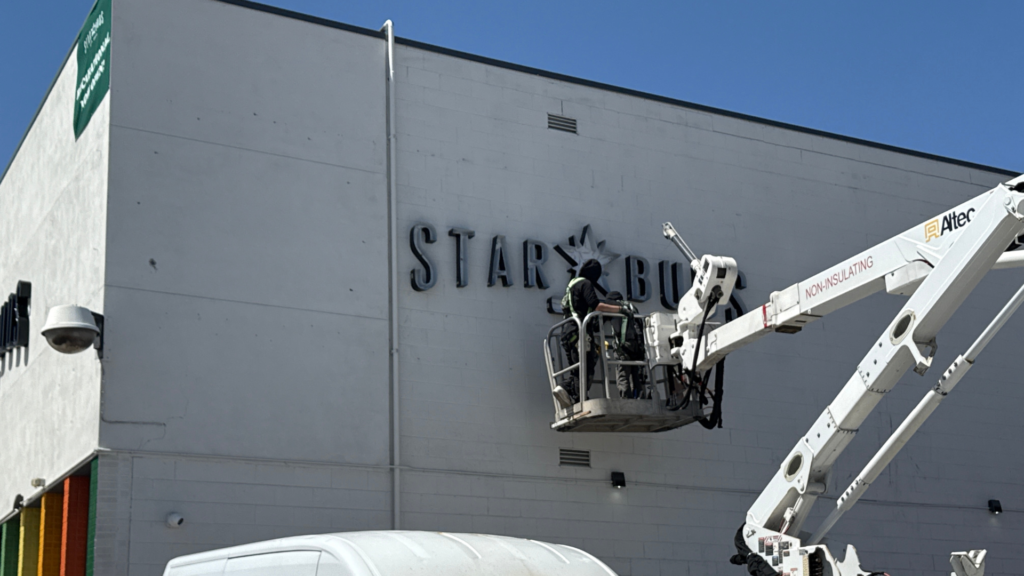
Denver sign installation works best when planning starts early
The most successful sign projects do not wait until the week before opening. Design approval, permitting, fabrication, installation scheduling, and weather can all affect timing.
If you are opening a new storefront, refreshing a brand, replacing an outdated sign, or adding signs commercial customers need to navigate your property, start the conversation as early as possible. Early planning gives you more control over design quality, cost, code compliance, and installation timing.
Frequently Asked Questions
How long does sign installation take in Denver?
Simple vinyl graphics or banners may be ready in a few business days, while custom exterior signs often take several weeks. Illuminated signs, monument signs, and permitted building signs can take longer because they may require design approval, fabrication time, permitting, electrical coordination, and installation scheduling.
Do I need a permit for sign installation in Denver?
Many exterior signs in Denver and nearby Front Range cities may require a permit, especially building-mounted signs, illuminated signs, projecting signs, and monument signs. Interior signs, small decals, and some temporary signs may not require the same review. Requirements depend on location, sign type, size, zoning, and property rules.
What information should I send before asking for a sign installation estimate?
Send photos of the installation area, measurements, the business address, desired sign size, wall or surface type, mounting height, access details, and any landlord or property requirements. The more complete the information, the more accurate and efficient the estimate process will be.
Can one company handle design, fabrication, permitting, and installation?
Yes. A full-service sign company can guide the project from initial sign designs through fabrication and installation. This is especially helpful for custom signs for a business because the team can align the design with site conditions, material performance, permit requirements, and safe installation methods.
What types of signs can be installed for Denver businesses?
Common options include custom store signs, lobby signs for business, ADA signage, monument signs, business outdoor signs, illuminated signs, banners for business, window graphics, wall graphics, vehicle graphics, and wayfinding signs. The best choice depends on your location, visibility goals, budget, brand standards, and installation conditions.