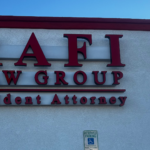

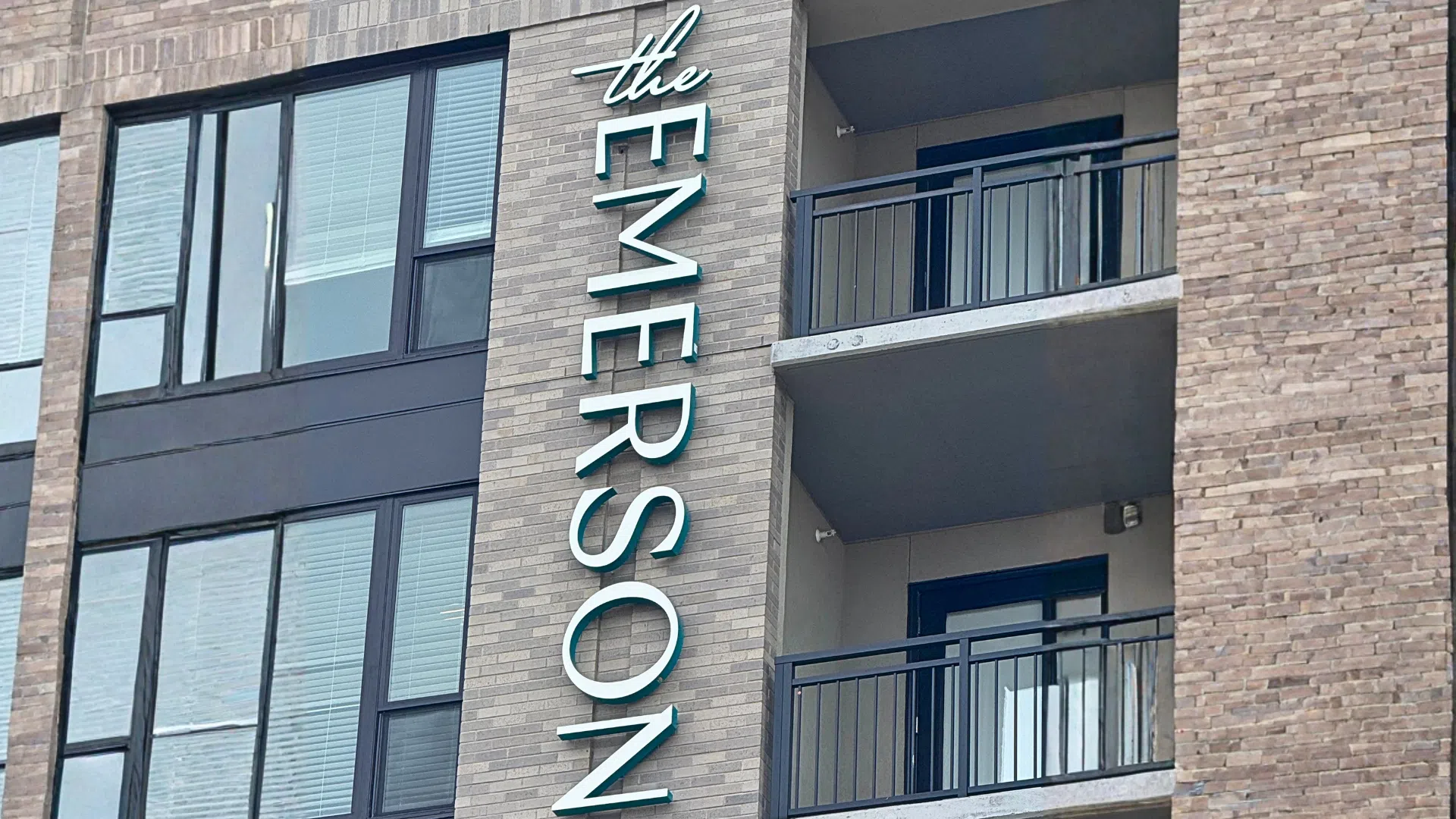
A channel letter sign is a highly visible, three-dimensional exterior sign where each letter or logo element is individually crafted and mounted to a building’s facade. For retail storefronts in Cherry Creek, restaurants in LoDo, or corporate offices in the Denver Tech Center, a custom channel letter sign is the ultimate tool for capturing street-level attention and driving foot traffic.
Here is the bottom line: flat, unlit signs simply do not perform in today’s competitive commercial landscape. Channel letters provide the depth, illumination, and professional aesthetic required to make your business stand out, day or night. Because each element is custom-fabricated, they offer unmatched flexibility to match your exact brand typography and colors. This guide explores the different types of channel letters, the benefits of LED illumination, and what Denver business owners need to know before installing their next storefront sign.
The ROI of 3D Illuminated Storefront Signage
Investing in a high-quality illuminated storefront sign directly impacts your bottom line by increasing your business’s visibility and perceived professionalism. The International Sign Association (ISA) has found that upgrading to a visible, illuminated exterior sign can increase walk-in traffic by 15% to 25%.
What this means for your business is that a channel letter sign functions as a relentless, 24/7 salesperson. In dense Denver commercial corridors where businesses are fighting for the attention of passing motorists and pedestrians, a glowing, 3D sign cuts through the visual clutter. Unlike print or digital advertising that requires ongoing spend, a channel letter sign is a one-time capital investment that generates continuous, localized brand awareness for a decade or more.
Understanding the Four Types of Channel Letters
The term “channel letter” refers to the construction method—a metal “channel” (the back and sides, or “returns”) housing the lighting, capped with a face. However, the way these letters are illuminated dramatically changes their appearance.
Front-Lit Channel Letters: This is the most common style. The back and sides are made of opaque aluminum, while the face is made of translucent acrylic. The internal LEDs shine directly through the front, making the letters highly legible from long distances.Halo-Lit (Reverse) Channel Letters: For a premium, sophisticated aesthetic, halo-lit letters are the top choice. The face and sides are solid aluminum, and the back is left open (or capped with clear polycarbonate). The letters are mounted slightly away from the wall, allowing the LED light to wash against the building facade, creating a glowing “halo” effect around dark letters.
Dual-Lit (Front and Back) Channel Letters: Combining the best of both worlds, dual-lit letters feature a translucent acrylic face and an open back. This allows the letters to glow brightly from the front while simultaneously casting a halo against the wall behind them.
Open-Face Channel Letters: Often used for a retro, vintage, or industrial look (popular in Denver’s RiNo Art District), these letters have solid backs and sides but no front acrylic face. Instead, exposed neon tubing or modern LED alternatives are visible inside the metal channel.
Halo-Lit (Reverse) Channel Letters: For a premium, sophisticated aesthetic, halo-lit letters are the top choice. The face and sides are solid aluminum, and the back is left open (or capped with clear polycarbonate). The letters are mounted slightly away from the wall, allowing the LED light to wash against the building facade, creating a glowing “halo” effect around dark letters.
Dual-Lit (Front and Back) Channel Letters: Combining the best of both worlds, dual-lit letters feature a translucent acrylic face and an open back. This allows the letters to glow brightly from the front while simultaneously casting a halo against the wall behind them.
Open-Face Channel Letters: Often used for a retro, vintage, or industrial look (popular in Denver’s RiNo Art District), these letters have solid backs and sides but no front acrylic face. Instead, exposed neon tubing or modern LED alternatives are visible inside the metal channel.
Denver Permitting and Installation Considerations
The City and County of Denver requires a commercial zoning permit for all new channel letter signs, with strict regulations governing the total allowable square footage based on your building’s street frontage.
Before fabrication begins, a sign plan must be approved by the city. In certain districts, such as Downtown Denver, the Downtown Design Advisory Board must also review and recommend the sign plan before a permit is issued. Furthermore, the installation method must be carefully considered. Channel letters can be “flush mounted” directly to the building facade (which requires drilling individual holes for each letter’s wiring) or “raceway mounted,” where the letters are attached to a rectangular metal box that houses the electrical components, requiring fewer penetrations into the building. A local Denver sign partner will handle these permitting hurdles and recommend the safest, most compliant installation method for your specific property.
The Superiority of LED Illumination
Modern channel letter signs utilize low-voltage LED modules rather than the neon or fluorescent tubes of the past, resulting in significantly lower energy consumption and virtually zero maintenance.
LEDs are the undisputed standard for illuminated exterior signage. They consume up to 80% less electricity than neon, are completely unaffected by Denver’s freezing winter temperatures, and boast a lifespan of 50,000 to 100,000 hours. This means your sign will glow brilliantly and evenly—without the flickering or dark spots common in older technologies—for years, drastically reducing your ongoing operational costs.
A Cherry Creek Retail Success Story
When a high-end boutique in Denver’s Cherry Creek North shopping district was preparing for its grand opening, they needed a storefront sign that reflected the luxury nature of their brand. A standard flat panel or front-lit sign would not suffice.
We designed and installed a set of custom halo-lit (reverse) channel letters. The letters were fabricated from brushed aluminum to match the store’s modern architectural accents. Mounted two inches off the textured brick facade, the internal warm-white LEDs cast a sophisticated, elegant halo against the building every evening. The sign not only met the strict design covenants of the Cherry Creek district but immediately established the boutique as a premium destination, driving strong walk-in traffic from day one.
Frequently Asked Questions About Channel Letters
How much do channel letter signs cost in Denver?
Pricing depends on the size, number of letters, style of illumination, and installation complexity. A standard set of front-lit letters for a small retail storefront typically starts around $3,500 to $5,000, while complex halo-lit or dual-lit systems for larger facades can range from $8,000 to $15,000+.
Are channel letter signs weather-resistant?
Yes. Professional channel letters are fabricated from rust-proof aluminum and high-impact acrylic, and the internal LED modules are fully sealed and rated for outdoor use, making them highly resilient against Denver’s snow, wind, and intense UV exposure.
Can you match my exact brand font and logo?
Absolutely. Because each letter is custom-fabricated using CNC routing and automated letter-bending machines, we can precisely match almost any typography, custom logo shape, and brand color palette.
What is a raceway mount?
A raceway is a rectangular metal box that the channel letters are mounted to. The raceway houses all the electrical wiring and power supplies. The entire raceway is then mounted to the building, which requires far fewer holes in the facade than mounting each letter individually.
Command Attention on Denver’s Busiest Streets
Your storefront sign is your most powerful local advertising asset. Whether you want the vibrant punch of front-lit letters or the sophisticated glow of a halo-lit design, our team handles everything from custom fabrication to city permitting and professional installation.