
Which is better for a Denver storefront: cabinet signs or channel letters?
Cabinet signs are often the more practical choice for long names, detailed messages, taglines, and cost-conscious projects. Channel letters create greater dimensional impact and offer more upscale lighting effects. The right choice depends on your branding, nighttime visibility, building conditions, landlord criteria, and local sign requirements.
Cabinet signs present an entire message within one enclosed structure
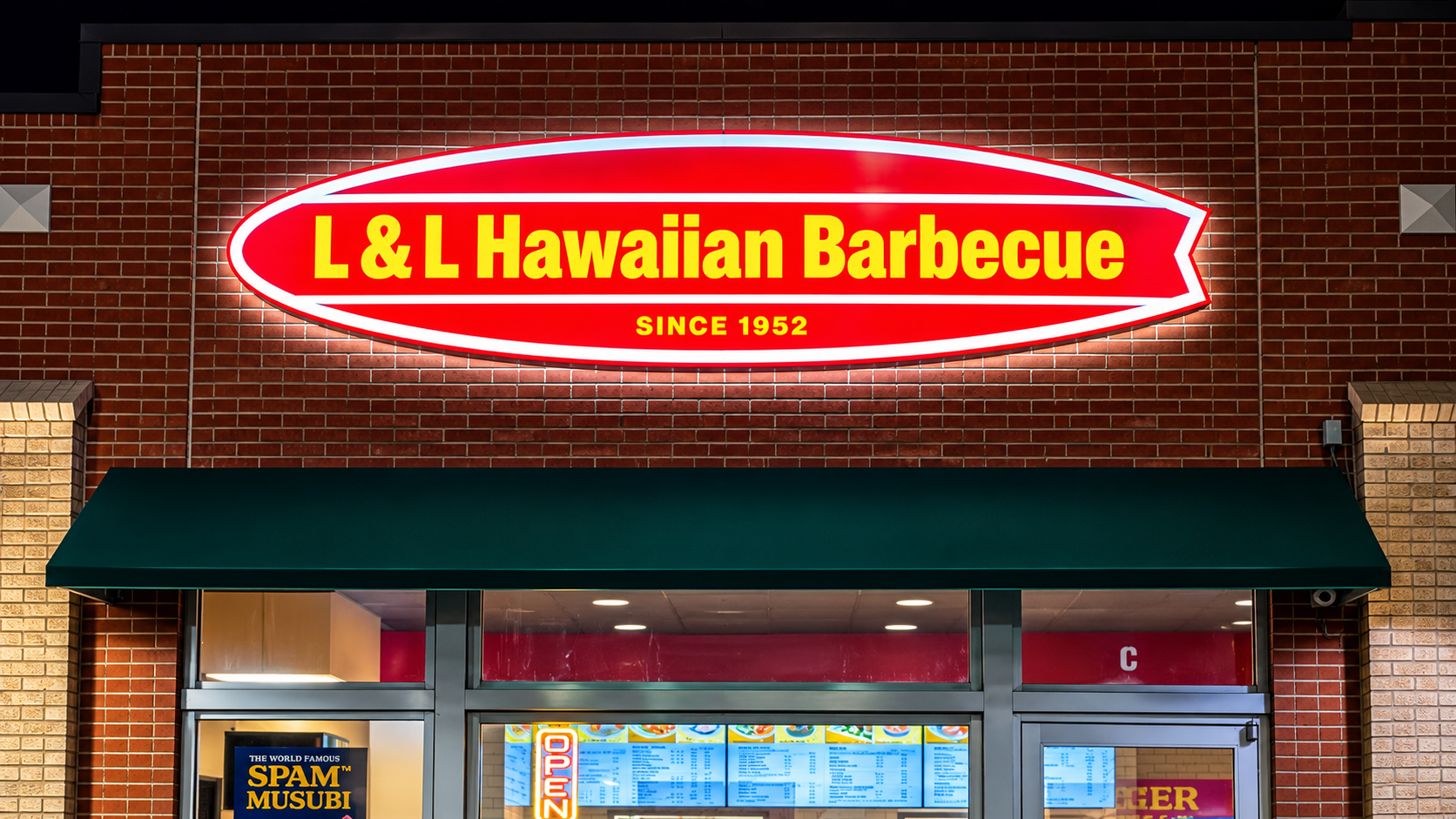
A cabinet sign—also called a sign cabinet, wall cabinet, or lightbox sign—places the graphics and lighting components inside a fabricated enclosure. The sign face can display a company name, logo, tagline, phone number, or another concise message as one composition.
Cabinet signs work particularly well when a storefront needs:
• A long business name or tagline
• Multiple brand elements on one sign face
• Strong nighttime visibility
• A contained rectangular, square, or custom-shaped design
• A practical replacement for an existing tenant sign cabinet
For Denver-area shopping centers, a cabinet sign may also fit an established sign band or raceway more naturally than individually mounted letters. That can make it a strong option for retail, restaurants, service businesses, medical offices, and businesses occupying previously branded storefronts.
A cabinet should not be treated as a generic box with a logo applied at the end. Face material, cabinet depth, typography, color contrast, illumination, and viewing distance all affect whether the finished sign is easy to identify from the street.
Channel letters create a more dimensional storefront appearance
Channel letters are individually fabricated letters or logo elements with internal illumination. Because each element has its own physical depth and spacing, channel letters tend to create a more architectural appearance than a standard cabinet sign.
Common configurations include:
• Front-lit channel letters: Light shines through the letter faces for bright, direct visibility.
• Reverse-lit channel letters: Light projects behind the letters, producing a halo on the wall.
• Combination-lit letters: Front and rear illumination are used together when the design and mounting surface allow it.
• Raceway-mounted letters: Letters are attached to a shared metal enclosure that contains wiring and reduces the number of wall penetrations.
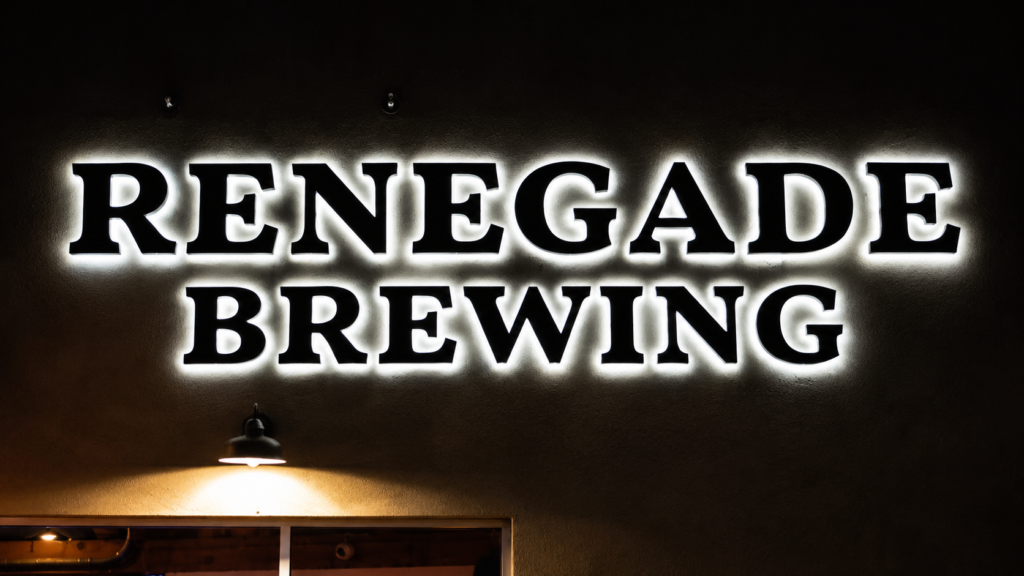
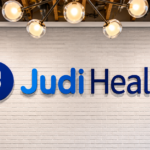
Reverse-lit channel letters are especially effective when a business wants a refined nighttime presentation. The halo separates the lettering from the building surface and can support upscale branding for professional offices, hospitality businesses, restaurants, and premium retailers.
Businesses exploring broader sign designs should compare the illuminated appearance—not only the daytime rendering—before approving a storefront concept.
Branding complexity often determines the more cost-effective format
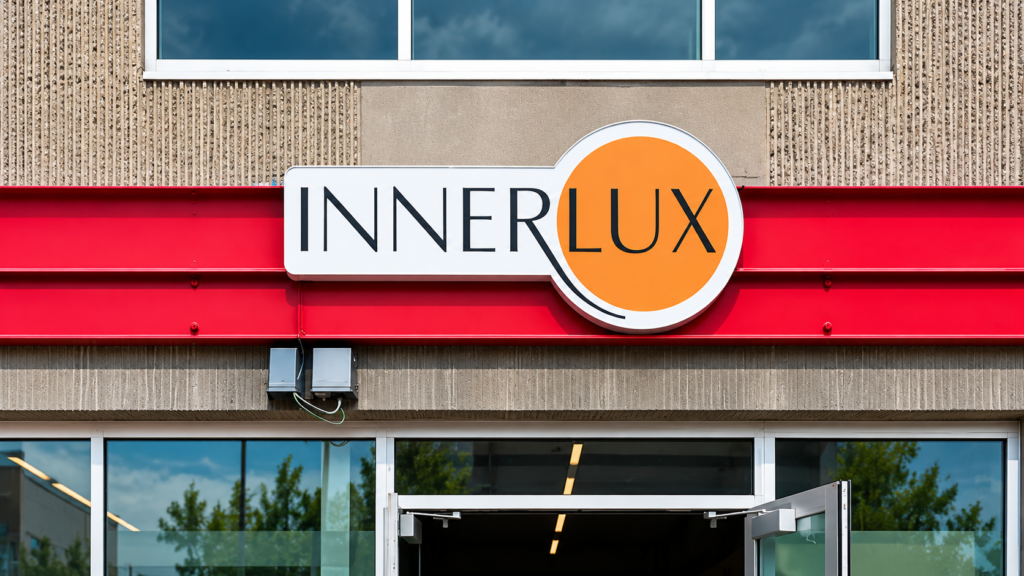
The number and complexity of fabricated elements influence the price difference between cabinet signs and channel letters. A short company name may translate efficiently into individual letters. A long name, secondary line, or extended tagline requires more fabricated components, more lighting modules, and more installation work.
Mtn High Signs + Design recommends evaluating the complete brand hierarchy before selecting the sign type.
When a company has a long name or tagline, fabricating every element as channel letters can add unnecessary cost. A practical alternative is to use channel letters for the company name and logo, then place the tagline in a cabinet sign. This preserves dimensional branding while presenting the supporting message clearly and economically.
This hybrid approach is useful when the company name should command attention but the tagline still provides important context. It also prevents secondary wording from becoming a collection of small, difficult-to-read illuminated letters.
Planning a Denver-area storefront sign? Mtn High Signs + Design can develop custom signs for business with coordinated design, permitting, fabrication, illumination, installation, and ongoing maintenance. Start with the storefront, brand files, desired nighttime effect, and landlord sign criteria so the right system can be designed from the beginning.
Lighting should be selected for visibility and brand character
Both sign types can be illuminated, but they do not create the same visual effect.
| Buying criterion | Cabinet signs | Channel letters |
| Nighttime appearance | Broad, evenly illuminated message area | Individually illuminated letters or logo elements |
| Detailed graphics | Well suited to combined words, logos, and taglines | Best for simplified names and recognizable logos |
| Dimensional effect | One primary enclosure | Each letter or element has depth |
| Premium halo lighting | Possible only with specialized cabinet design; not the standard effect | A defining feature of reverse-lit channel letters |
| Brand flexibility | Strong for complex layouts | Strong for clean, architectural branding |
| Typical cost behavior | Often economical for longer messages | Cost increases as the number and complexity of elements grow |
Brightness alone is not the goal. A sign must remain legible without washing out thin typography, reducing color accuracy, or creating glare. The viewing angle and surrounding light matter as well. A storefront in a brightly illuminated retail center has different needs than a business facing a darker road or parking lot.
Placement decisions must account for Denver-area building conditions
The best-looking concept can fail if it ignores the installation surface. Before approving either option, evaluate:
1. Available sign area: The tenant sign band, parapet, canopy, or wall may limit overall dimensions.
2. Viewing distance: Letter height and copy length must support recognition from the road, sidewalk, or parking field.
3. Mounting surface: Brick, masonry, metal panels, stucco, and architectural cladding require different mounting methods.
4. Electrical access: Illuminated signs need a safe, serviceable power connection.
5. Landlord standards: Shopping centers frequently regulate sign type, colors, raceways, mounting locations, and illumination.
6. Local approvals: Requirements vary by municipality and site, so sign area, projection, illumination, and placement should be checked before fabrication.
Colorado Front Range conditions also make material selection and installation quality important. Strong sun exposure, temperature changes, wind, snow, and moisture can reveal weak seals, fading graphics, or inadequate mounting. Durable fabrication and serviceable lighting components protect the sign beyond opening day.
If the property also needs freestanding identification near the road, coordinated monument signs can extend the same visual system from the property entrance to the storefront.
A simple decision framework clarifies the right sign type
Choose a cabinet sign when:
• The message includes a long name, tagline, or detailed logo
• One illuminated sign face communicates the brand most clearly
• The building already has a suitable cabinet location
• Practical nighttime visibility matters more than individual letter depth
Choose channel letters when:
• The company name is concise and recognizable
• Dimensional presentation is central to the brand
• Reverse-lit or halo illumination is desired
• The storefront calls for an integrated architectural appearance
Choose a hybrid system when:
• The name and logo deserve dimensional emphasis
• A tagline or secondary message must remain visible
• Fabricating every element as a channel letter would be inefficient
• The brand needs both premium presentation and message flexibility
Frequently asked questions about cabinet signs
Are cabinet signs illuminated?
Yes. Cabinet signs are commonly front-lit, with internal LEDs illuminating the sign face. Specialized designs may incorporate additional lighting effects, but a standard cabinet does not produce the same distinct rear halo as reverse-lit channel letters.
Are cabinet signs cheaper than channel letters?
They can be, especially when the design contains a long company name, detailed logo, or tagline. Final pricing depends on size, shape, face materials, illumination, mounting conditions, electrical work, access, permitting, and installation requirements.
Can a cabinet sign and channel letters be used together?
Yes. Channel letters can emphasize the company name and logo, while a cabinet displays the tagline or secondary message. This approach can control fabrication costs without sacrificing the primary brand presentation.
Do cabinet signs require permits in the Denver area?
Many exterior illuminated signs require municipal review, although requirements vary by location, property, sign size, illumination, and installation method. Landlord approval may also be required. A full-service sign partner can review applicable criteria before fabrication begins.
How long do illuminated cabinet signs last?
Service life depends on fabrication quality, materials, electrical components, exposure, and maintenance. LED retrofits, face replacement, cleaning, resealing, and electrical repairs can often extend the useful life of an existing cabinet.