
Do Denver businesses need ADA signs?
Yes. Most Denver offices, clinics, schools, churches, apartment communities, and public-facing commercial properties need ADA-compliant signage for permanent rooms, exits, restrooms, accessible routes, elevators, stairwells, and life safety areas. The best ADA signs combine code-compliant tactile/Braille requirements with branded design, durable materials, and professional installation.
ADA signage protects accessibility, liability, and the visitor experience
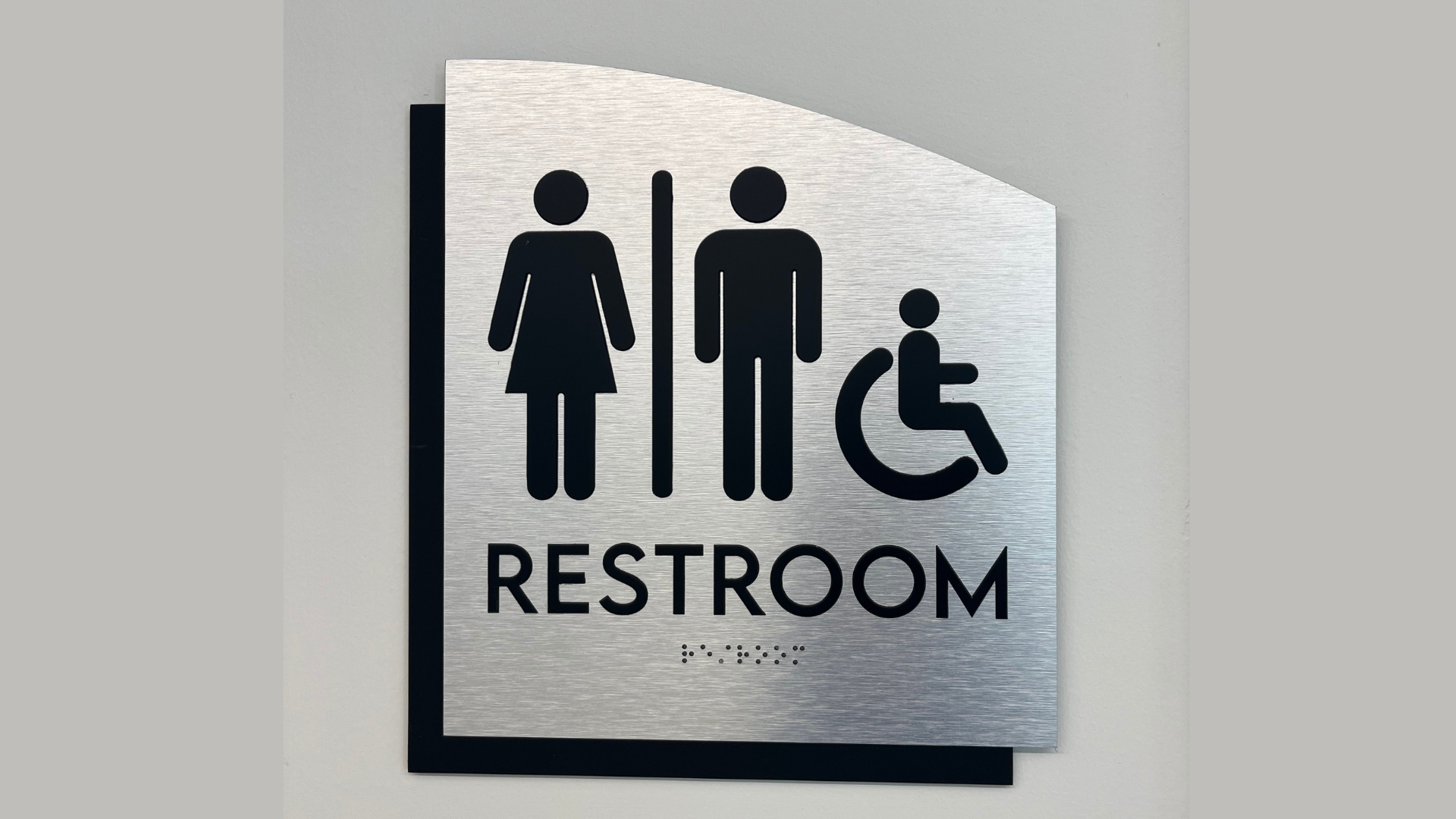
ADA signage is not just a compliance checkbox. It helps people move through a building independently, safely, and confidently. For Denver commercial properties, ADA signs are especially important in offices, medical suites, schools, churches, multifamily buildings, mixed-use properties, and tenant improvement projects where rooms, routes, and public access points must be clearly identified.
Common ADA sign locations include:
• Restrooms and accessible restrooms
• Permanent rooms and offices
• Exam rooms and treatment rooms
• Conference rooms
• Elevators and stairwells
• Exit routes and emergency areas
• Accessible entrances and routes
• Unit, amenity, leasing, and common-area rooms in multifamily properties
The mistake many property owners make is waiting until final walkthrough to think about ADA signs. By then, room names may have changed, wall finishes may already be complete, and installation timelines may be tight. A better approach is to plan ADA signage alongside your interior wayfinding, lobby signage, suite signs, and exterior identification.
For help planning code-aware, branded ADA signage in Denver, Mtn High Signs + Design can assist with design, production, installation, and full-property sign packages.
Branded ADA signs can look professional while staying compliant
ADA signs do not have to look like generic stock plaques. The regulations control important functional details—such as tactile characters, Grade 2 Braille, non-glare surfaces, contrast, character style, and mounting location—but there is still room for thoughtful design.
For a Denver clinic, that may mean calming colors, clean typography, and durable acrylic signs that match the patient experience. For a school, it may mean consistent room IDs, directional signs, and accessible signage that supports daily navigation for students, staff, parents, and visitors. For a multifamily property, ADA signs can coordinate with monument signs, lobby signs, amenity signage, and parking identification.
Operator Insight from Mtn High Signs + Design:
“Don’t overlook ADA signs and miss the chance to brand them. ADA signs are all over buildings, schools, churches, and offices. Use your colors, logo, and design style so accessibility signage continues your brand throughout the space.”
That point matters. ADA signage is often one of the most repeated sign types inside a property. When it is designed intentionally, it reinforces professionalism instead of feeling like an afterthought.
Denver ADA sign projects should start with a room-by-room sign plan
A strong ADA sign package begins with a clear inventory. Guessing from memory leads to missed signs, wrong room names, inconsistent sizes, and duplicate production costs. Mtn High Signs + Design typically recommends a practical planning process:
1. Review the property type and floor plan. Offices, clinics, schools, churches, and multifamily buildings each have different traffic patterns and sign needs.
2. Identify permanent rooms and public access areas. These are the core locations where tactile ADA signs are most often required.
3. Confirm room names before production. Changing “Exam 2” to “Treatment Room B” after fabrication can add cost and delay.
4. Select compliant materials and finishes. Acrylic, photopolymer, metal, and layered substrates can all work when designed properly.
5. Coordinate branding with accessibility. Colors, logos, and sign designs should support the brand without reducing readability or contrast.
6. Install at correct heights and locations. Even a well-made ADA sign can fail inspection if mounted incorrectly.
This same planning approach can also connect ADA signs with custom signs for business, lobby signs, directional signs, wall graphics, and building-wide wayfinding.
ADA sign cost and timeline depend on quantity, material, and customization
Most ADA signs are not priced like one-off decorative signs. Costs depend on sign count, tactile/Braille production method, material, finish, customization, installation conditions, and whether the project includes a site survey.
| ADA sign type | Typical use | Approximate cost range | Typical timeline | Permit requirement |
| Standard room ID signs | Offices, schools, clinics | $45–$125 per sign | 1–3 weeks | Usually no permit |
| Custom branded ADA signs | Corporate, medical, multifamily | $95–$250+ per sign | 2–4 weeks | Usually no permit |
| Directional/wayfinding ADA signs | Corridors, public routes | $125–$400+ per sign | 2–5 weeks | Usually no permit |
| Exterior accessible route signs | Parking, entrances, paths | $150–$600+ per sign | 2–5 weeks | Sometimes depends on placement |
| Full property ADA package | Apartments, campuses, medical offices | Varies by scope | 3–8+ weeks | Usually no sign permit for interior signs |
Interior ADA signs generally do not require the same sign permitting process as large exterior signs, illuminated signs, or monument signs. However, they may be reviewed during building inspections, tenant finish inspections, accessibility reviews, or property turnover. For exterior accessibility signs, placement, mounting, and site conditions may affect whether additional approvals are needed.
Offices, clinics, schools, and multifamily properties each need different ADA sign strategies
A downtown Denver office suite may only need conference room IDs, restroom signs, suite signage, and exit/stair identification. A medical clinic may need a deeper system: exam rooms, accessible restrooms, reception, lab areas, staff-only areas, emergency exits, and directional signage that reduces patient confusion.
Schools and churches often need durable signs that can handle heavy use while remaining clear for visitors. Multifamily properties need consistency across leasing offices, amenity rooms, mail areas, fitness rooms, parking, accessible routes, stairwells, elevators, and unit-related common areas.
This is where local, full-service support beats ordering generic plaques online. A Denver-area sign team can align ADA signs with the rest of the property package, including exterior signs, lobby signs, directional systems, vehicle graphics, illuminated signs, maintenance needs, and future tenant updates.
Local fabrication and installation reduce costly ADA signage mistakes
Online-only sign ordering can work for a single replacement plaque, but it becomes risky for a full Denver property package. The most expensive ADA sign problems usually come from planning and installation errors, not the sign material itself.
Common issues include:
• Missing required room signs
• Incorrect Braille or tactile text
• Poor color contrast
• Glossy finishes that create glare
• Signs mounted on the wrong side of the door
• Incorrect mounting height
• Inconsistent naming across the building
• ADA signs that clash with the rest of the interior signage
Mtn High Signs + Design helps Denver-area property owners avoid those problems by connecting design, fabrication, and installation under one process. The result is signage that supports accessibility, strengthens brand presentation, and fits the building’s actual layout.
FAQ
What ADA signs are required for Denver businesses?
Denver businesses commonly need ADA signs for permanent rooms, restrooms, exits, stairwells, elevators, accessible routes, and public-use spaces. Requirements depend on the building type, room function, and whether the area is open to employees, tenants, patients, students, residents, or visitors.
Can ADA signs include my company logo and brand colors?
Yes. ADA signs can include logos, brand colors, custom materials, and coordinated sign designs as long as tactile lettering, Braille, contrast, finish, sizing, and placement requirements are maintained. Branding ADA signs is a smart way to create a consistent interior experience.
How much do ADA signs cost in Denver?
Basic ADA room signs often range from about $45 to $125 per sign, while custom branded ADA signs commonly range from $95 to $250 or more per sign. Larger wayfinding signs, exterior accessibility signs, and full-building packages vary based on quantity, material, design, and installation.
Do interior ADA signs need permits in Denver?
Most interior ADA signs do not require a traditional sign permit, but they may be reviewed during accessibility, tenant finish, or building inspections. Exterior accessible parking, route, or entrance signs may require additional review depending on location, mounting, and property conditions.
How long does an ADA sign project take?
A small ADA sign order may take 1–3 weeks, while a custom branded package for an office, clinic, school, church, or multifamily property may take 3–8 weeks depending on survey needs, approvals, fabrication, and installation scheduling.