
Your storefront sign is the single most important marketing asset your physical business owns. In Denver’s highly competitive retail environment, a well-designed storefront sign can increase walk-in traffic by up to 15% and directly impact your bottom line. Whether you are opening a new location in Cherry Creek or upgrading an aging sign in LoDo, this guide covers everything you need to know about choosing, designing, and permitting storefront signs in Denver.
The Financial Impact of High-Quality Storefront Signage
A professional storefront sign does more than just display your business name. It acts as a 24/7 salesperson, working around the clock to capture attention and drive revenue. According to the International Sign Association, businesses that upgrade their exterior signage see an average revenue increase of 4.75% to 15.6%.
For a Denver business generating $500,000 annually, a 10% increase translates to $50,000 in additional revenue per year. This makes a custom storefront sign one of the highest ROI investments you can make. It establishes immediate brand credibility, signals that your business is open and active, and helps customers find you easily in busy areas like the Denver Tech Center or Highlands Square.
What Are the Most Effective Types of Storefront Signs?
Selecting the right type of sign depends on your building’s architecture, your brand identity, and local zoning regulations. Denver businesses typically see the best results from three main categories of storefront signage.
Channel Letter Signs
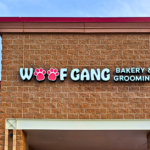
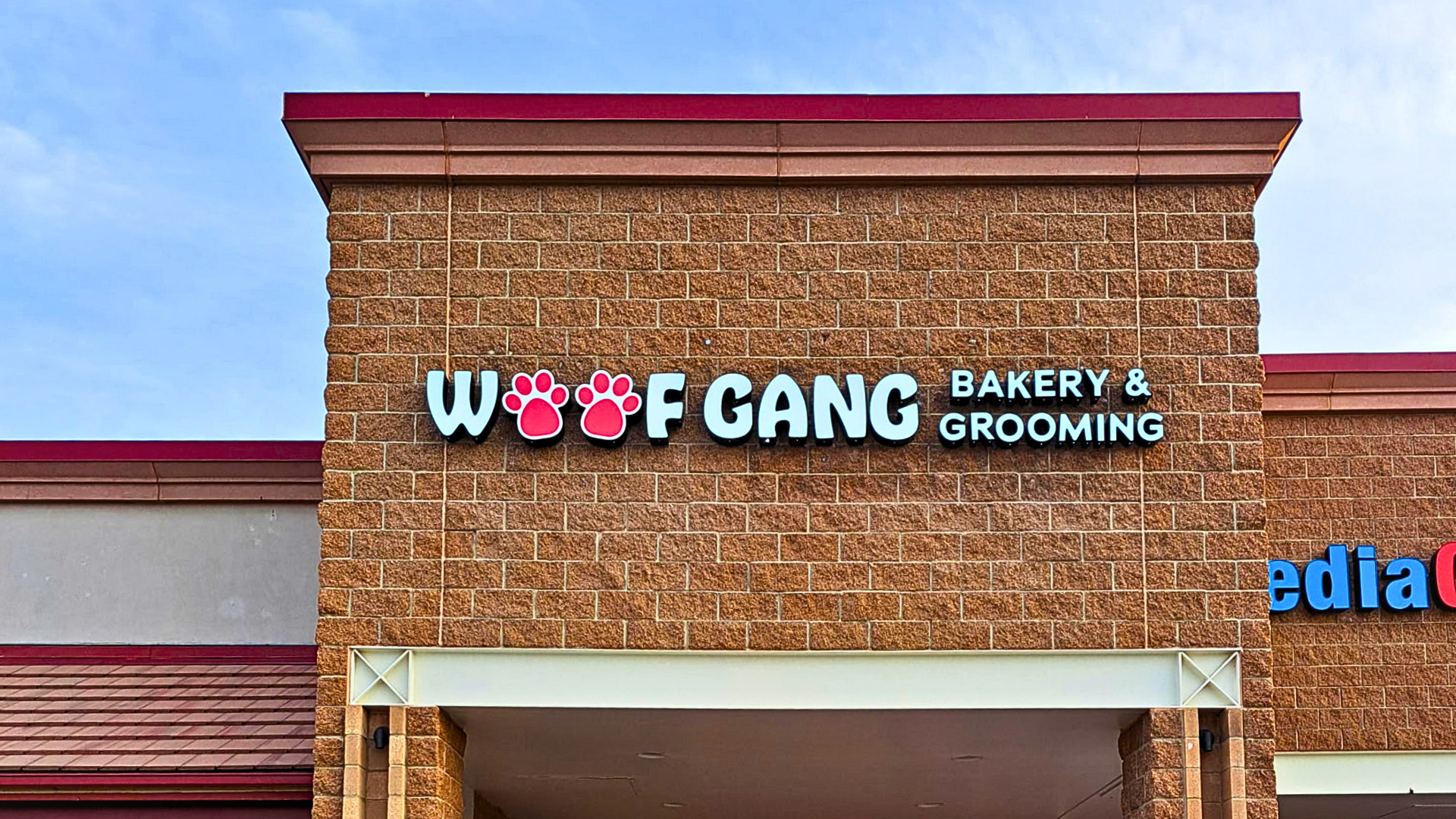
These are individual, 3D letters that are often illuminated. They provide a highly professional, established look and are incredibly effective for nighttime visibility. Channel letters can be front-lit, halo-lit (back-lit), or both, offering versatile design options for modern Denver storefronts.
Awning and Canopy Signs
Popular in historic districts like Larimer Square, awning signs combine weather protection with brand visibility. They add architectural interest to flat building facades and provide a classic, welcoming aesthetic for cafes, boutiques, and neighborhood services.
Blade Signs and Projecting Signs
These signs protrude perpendicular to the building face, making them essential for pedestrian-heavy areas like the 16th Street Mall or Tennyson Street. They catch the eye of people walking down the sidewalk who might otherwise miss a flat sign mounted above the door.
Navigating Denver Sign Permitting and Regulations
Denver’s sign code is strictly enforced, and installing a sign without the proper permits can result in costly fines and forced removal. The City and County of Denver regulates sign size, placement, illumination, and projection based on your specific zoning district.
Before manufacturing begins, a comprehensive site survey and code check must be completed. For example, signs in designated historic districts face additional scrutiny and must be approved by the Landmark Preservation Commission. Working with a local sign company that understands the nuances of Denver’s permitting process ensures your project stays on schedule and avoids regulatory roadblocks.
The Mtn High Difference: Kula Sport Performance Case Study
When Kula Sport Performance opened their new training facility, they needed complete signage — interior and exterior — for a 20,000-square-foot space. The project required a full mix of signage types: massive wall graphics, dimensional letters, vinyl applications, photos converted into vinyl graphics, branding throughout the facility, frosted vinyl on glass for privacy, perf vinyl, and exterior illuminated channel letters paired with acrylic flat cut out (FCO) letters.
The challenge? The client was in Paris at the Olympics with his athletes during the entire build. Approvals had to happen across a 12+ hour time gap with a busy client, and the timeline from final approval to installation was extremely tight.
Mtn High Sign + Design managed the entire process remotely — coordinating approvals, hitting deadlines, and delivering a fully branded gym complex on schedule. The result: a massive, fully branded training facility completed in a remarkably short timeline. The branding looks incredible — and Mtn High now sends prospective clients there to see the work firsthand.
Frequently Asked Questions
How long does it take to get a storefront sign in Denver?
The timeline varies based on the complexity of the sign and the permitting process. On average, you can expect the process to take 2 to 4 weeks from final design approval to installation.
Do I need a permit to replace an existing sign?
Yes. In almost all cases, replacing a sign or changing the face of an existing sign requires a new permit from the City and County of Denver.
What is the best material for a Denver storefront sign?
Denver’s intense UV exposure and fluctuating temperatures require durable materials. Aluminum, acrylic, and UV-resistant polycarbonates are the most reliable choices for long-lasting exterior signs.